
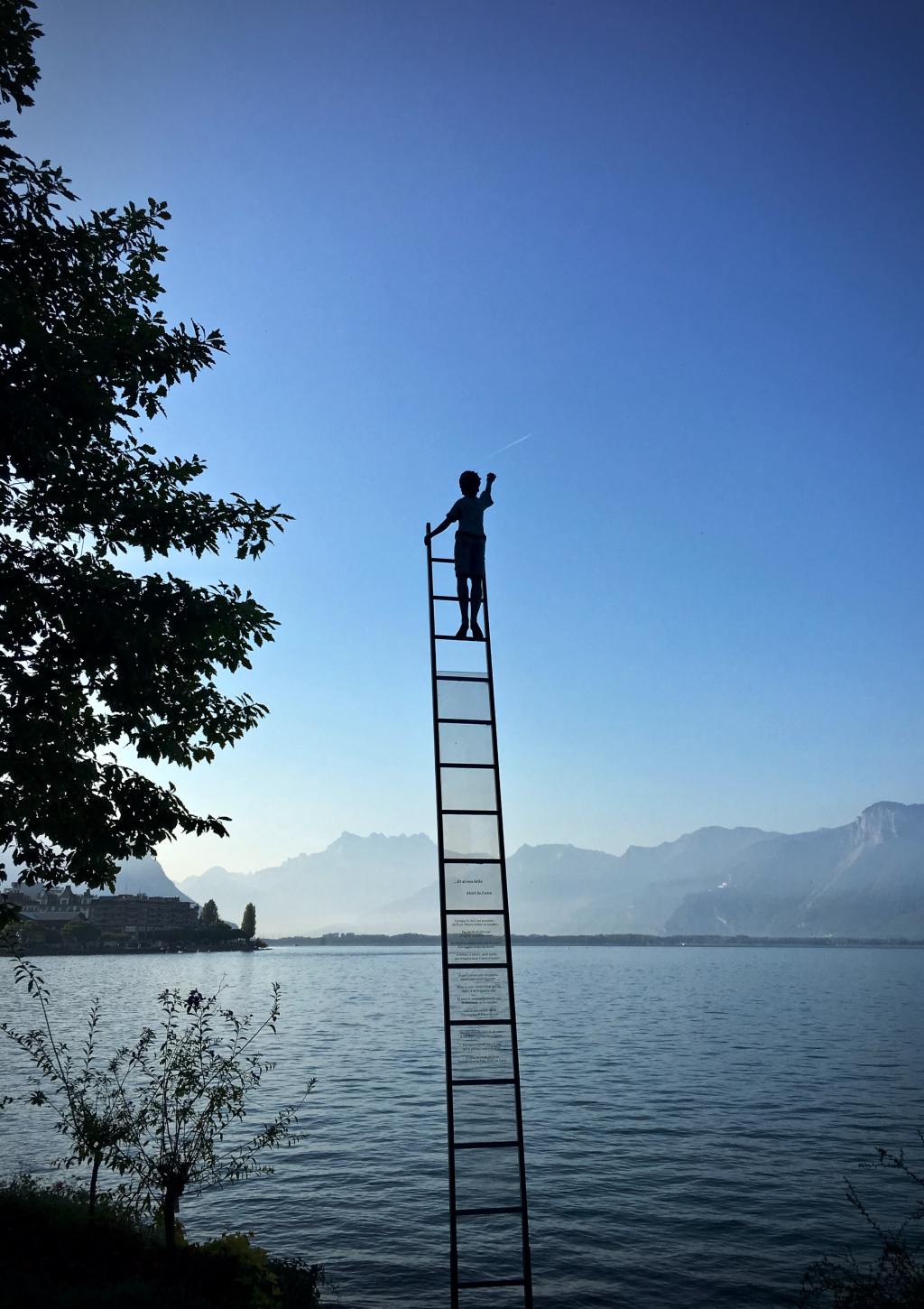
As I come back from Winter Break from a mental perspective, I wanted to continue some of my thoughts about an assignment that I completed last quarter. As I wrote about before, it was a very powerful experience (read about it here). This assignment generated two very important questions for me: “What is the purpose of school?” and “What should the purpose of school be?” I have dwelt on these questions quite a bit over break. I can’t say that I’ve had any revelations or developed any concrete answers to these questions, but I think its important to share some of my thoughts.
- Over the course of my project, the most prominent theme was that of school being a place where students develop the so called “soft skills” (social skills, communication skills, time management and executive functioning skills, etc.). Most of my participants did not value traditional academic skills over these soft skills with many either implying or directly stating that the mastery soft skills has a much greater impact on student success after high school than any of the academic skills that they may learn during their time in a K-12 building. This line of thinking intrigues me because, as a special educator, I often teach students who have been historically excluded from traditional school spaces primarily due to their academic skills. This does not make sense to me as it makes me wonder if we are depriving students with disabilities from being included in the classroom community because of a “skill deficit” in areas that many stakeholders (and 100% of the stakeholders I interviewed in my project) feel is less important in the grand scheme of things. Let alone that by excluding a student with disabilities from a classroom space, it is perhaps also depriving them of opportunities where they could best develop their social and communication skills as well as building meaningful relationships with their peers. As a principal of mine once told me, “How can we expect students to develop social skills when they are surrounded with students who have difficulty interacting with them?”
- The second of my two questions, “What should the purpose of school be?” is one that I find very important and one that I wanted to discuss further. While this was not a fully fleshed out theme from my participants, I did have multiple participants who made statements regarding the responsibility that a school has to its community. One participant spoke about this responsibility in developing responsible citizens, another spoke about the need to develop skilled and capable employees for any local job and career opportunities that may be available in their areas, but I have been wondering about taking this a step further. What if a school was also a community resource that the citizens of that community could utilize? In an article by Green (2014), a school in an urban district shared many of their resources with their community. The article noted that since the neighborhood did not have a gym where residents could exercise, they opened their gym to the community for a nominal fee ($20 a year) in order to support the community. This made me think of all the different under-served communities that could benefit from practices such as this. I attended high school in a rural district where the school was several miles from the nearest stoplight. In this situation, I can only imagine how invested the community would be in the state of the school if the they was able to use things like the pool, the weight room, the gymnasiums, the auditorium, or even the kitchens! It could be a great opportunity to not only connect a community to the happenings within the school’s walls, but also to connect students to their community!
- Many of my participants spoke about the need to create academic content that was applicable to the students’ lives. Several students that I spoke with talked about wanting more content similar to the civics/government classes that they were taking as seniors. This class, they stated, felt directly connected to the adult lives that they envisioned for themselves and were able to understand its usefulness as they became closer to becoming adults. Unfortunately, however, they felt as though the education they were receiving had several gaps that needed to be filled. Some of the gaps that they named were budgeting, how to find a good home/apartment, how to know if the rent would be too much money for them, and how to identify bad jobs during the interview process. I can’t but connect this to my previous thoughts on using the school as a community resource. If schools were more intertwined with their communities, there would be more resources available to teach these lessons to the students. What better way to teach students how to spot red flags in job interviews than having someone speak to them who has had real work experience in dealing with those red flags? What better way to learn about the responsibilities that comes with caring for a home than speaking with community members who have those life experiences?
- My biggest takeaway from this project however, is that I believe it is time for school and education to grow beyond its current state. One of my stakeholders stated that the purpose of school and education education was encourage and support students to become better people and better citizens than the adults who educate them. I don’t think that this can happen unless schools change and grow. There’s an old adage stating that the definition of insanity is doing the same thing over and over again, but expecting a different result. If the vision for school stays the same, then the outcomes will as well. I don’t pretend to have all the answers in order to make this happen, but its clear to me that school as it is currently constructed is not enough. We have to dream bigger.
 The Mann Cave Blog